
 PL
 DE
 HU
 FR
 RU
 HR
 CZ
 BG
 GR
 ET
 SK
 LT
 UK
 RO

- New
Filter By
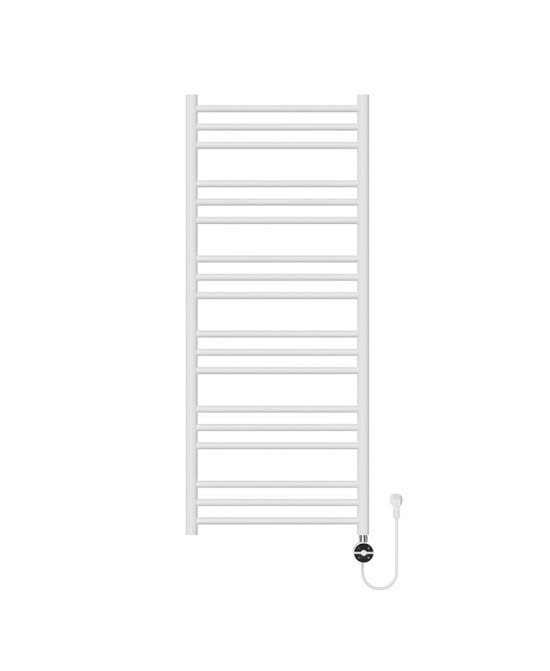

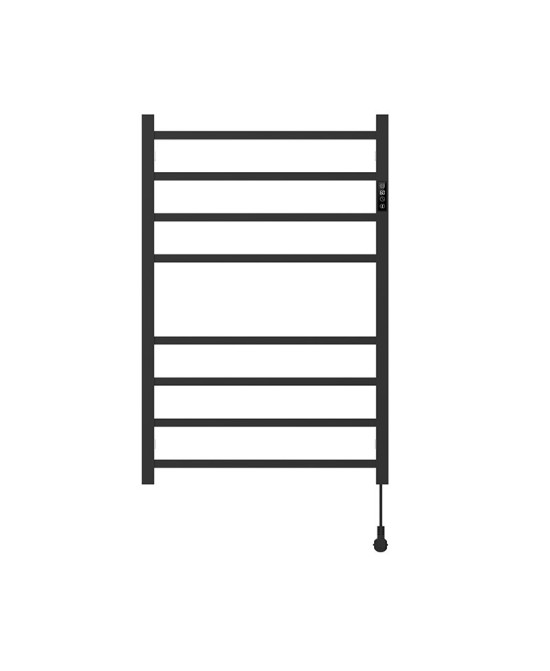
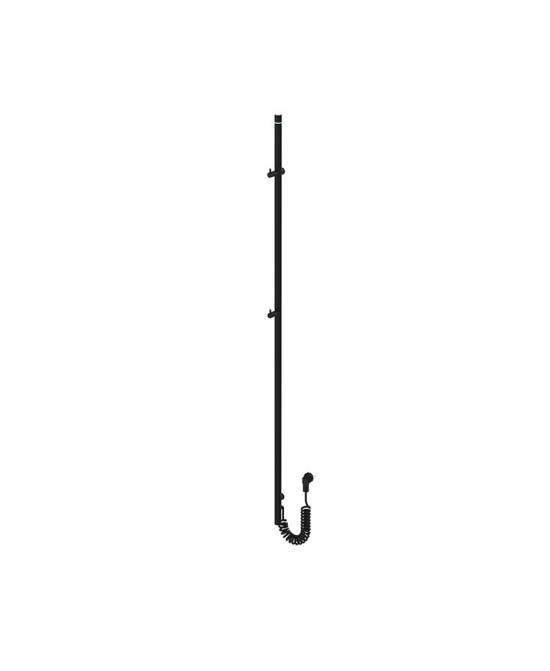

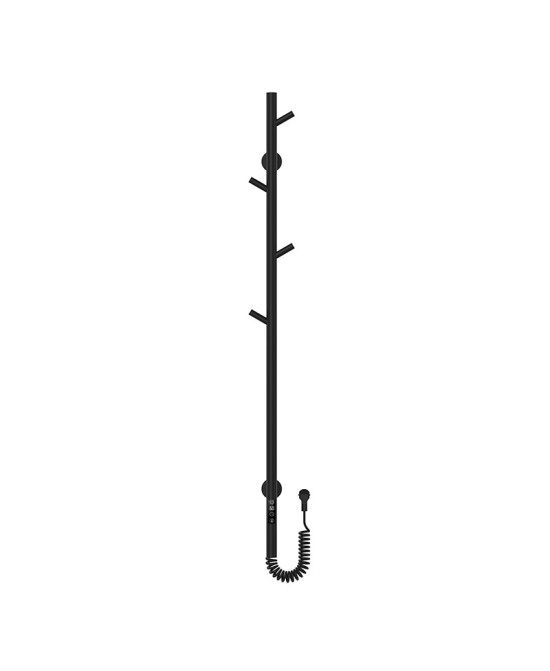


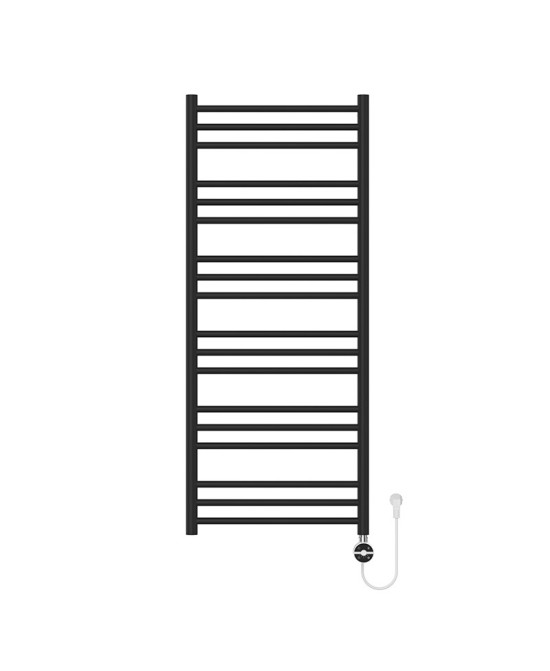
The bathroom radiator is an indispensable part of every bathroom, providing both thermal comfort and functionality. Choosing the right radiator can be difficult, however, especially for those with no experience in the field. Which radiator you choose depends on your aesthetic preferences, on functionality and on the technical possibilities of the room.
Choosing the right bathroom radiator can be crucial to the comfort and functionality of the room. It is worth taking various factors into account, such as the size of the bathroom, the style and the budget. When choosing a bathroom radiator it is also worth consulting a professional, so as to match the appliance to your individual needs and to the technical conditions of the room.
To match a bathroom radiator to the size and style of the bathroom, several aspects need to be taken into account. First, it is important that the radiator has the right output to heat the room effectively. This can be calculated using the calculators available online, from the technical drawing supplied with each of our products, or by consulting a specialist. Second, it is worth paying attention to the dimensions of the radiator – in small bathrooms narrow, tall models that take up less wall space will work better.
As for style, it is worth choosing a radiator that will match the rest of the bathroom fittings. Our range includes various types of radiator, such as ladder radiators, white bathroom radiators or black bathroom radiators, which can be matched to different interior styles.
The ladder-style bathroom radiator is a popular choice thanks to its functionality and appearance. It is worth choosing when what matters to us is:
Several directions can be identified among the trends in bathroom radiators. The white bathroom radiator is the classic choice that suits most interiors. Black bathroom radiators, on the other hand, are becoming ever more popular – bathroom radiators in a modern style and in minimalist schemes. In small bathrooms, narrow bathroom radiators that take up less wall space are often chosen.
When comparing top-quality electric bathroom radiators with water-filled ones, it is worth looking at their advantages and disadvantages. Electric radiators are easier to install and do not require connection to the central heating system, which can be an advantage during renovations. Water-filled bathroom radiators, on the other hand, are usually more energy-efficient and more economical in the longer term, but their installation can be more complicated.
The choice between electric and water-filled radiators depends on individual needs, technical possibilities and budget. It is also worth consulting a specialist who will help you select the best solution for your particular situation.
Horizontal bathroom radiators are characterised by greater width and lesser height, which means they take up more wall space but can be mounted at a lower level. They are often used as towel dryers, which gives them additional functionality. With vertical bathroom radiators the situation is the reverse – they are narrower and taller, which saves wall space. Vertical radiators can also be used as towel dryers, but because of their height they are not always easy to reach.
The choice between horizontal and vertical radiators depends on individual needs, installation possibilities and aesthetic preferences. It is also worth taking into account the size of the bathroom and the amount of wall space available.
Small bathroom radiators are the ideal solution for those with limited space in the bathroom. Thanks to its modest dimensions, a small bathroom radiator can be installed even in very cramped rooms without disrupting the functionality of the bathroom. Small bathroom radiators can also be used as towel dryers, which makes them even more practical.
It is worth bearing in mind, however, that small bathroom radiators may have a lower heat output, which can affect how effectively the room is heated. In the case of larger bathrooms it is worth considering larger radiators or several smaller ones, in order to achieve the right temperature.
Depending on the style of the interior, you can choose different types of bathroom radiator. Modern bathroom radiators are characterised by clean lines, minimalist design and often unusual shapes. Classic bathroom radiators, on the other hand, have a more traditional look, with simple, elegant forms. Designer bathroom radiators are models with unique shapes and patterns that can become a real ornament of the bathroom.
The choice between modern, classic and designer bathroom radiators depends on individual preferences and on the style of the interior.
A bathroom radiator can be made of various materials, which affects its appearance, durability and heating properties. Chrome bathroom radiators are covered with a layer of chrome, which gives them an elegant, gleaming look. Chrome radiators are also easy to clean and resistant to corrosion. The steel bathroom radiator is made of stainless or carbon steel, which makes it durable and resistant to damage. Steel radiators also have good heating properties, but they can be heavier than other models. The decorative bathroom radiator can be made of various materials, such as aluminium, glass or stone, which makes it possible to create unique patterns and shapes.
When connecting the radiator to the heating system, it is worth paying attention to several important points:
If you encounter problems while connecting the radiator, it is worth consulting a specialist who will help resolve any difficulties.
To determine the radiator output needed to heat the bathroom effectively, several factors need to be taken into account:
Choosing the right heating element for a bathroom radiator requires many factors to be taken into account, such as output, type, energy efficiency and safety in use. By installing a heating element in a radiator connected to the water system, we gain the option of using it as a dual-fuel radiator.
In practice, in order to determine the radiator output, you can use the calculators available online, the technical data given with the product, or consult a specialist who will help select the right output for your individual needs.
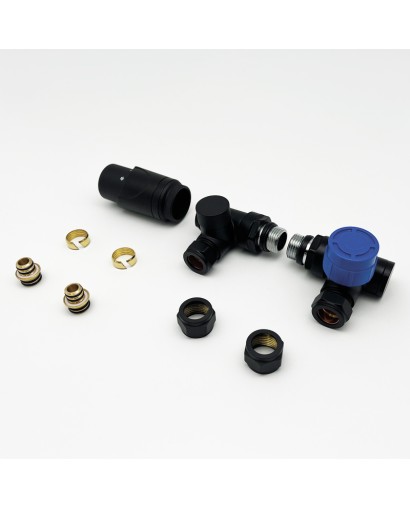
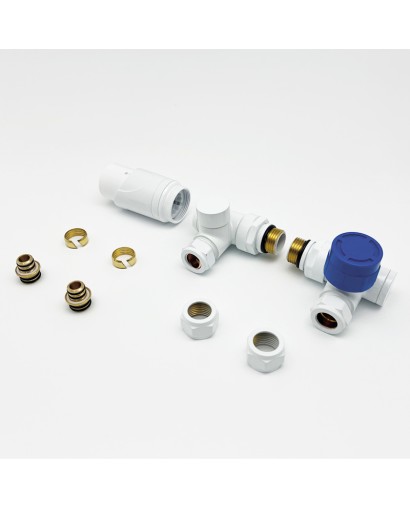
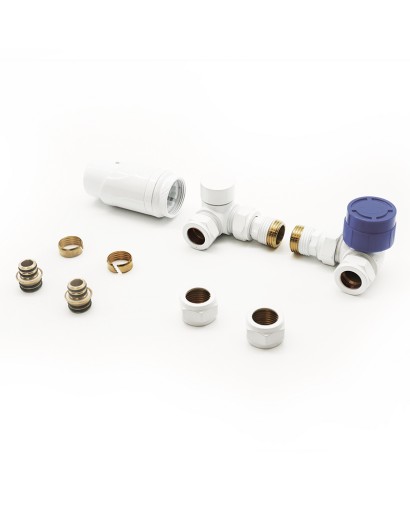
Radiator valves play a key role in the efficient operation of heating systems. Valves for radiators perform an important function in regulating the flow of hot water to the radiators. By controlling the amount of hot water, they make it possible to maintain an optimal temperature in the rooms, which translates into comfort for users and savings in energy. There are several main types of radiator valve, of which the most popular are thermostatic valves, ball valves, non-return valves, regulating valves and safety valves. Each of these types has its own specific application and benefits.