
 PL
 DE
 HU
 FR
 RU
 HR
 CZ
 BG
 GR
 ET
 SK
 LT
 UK
 RO

Filter By
Linear drains
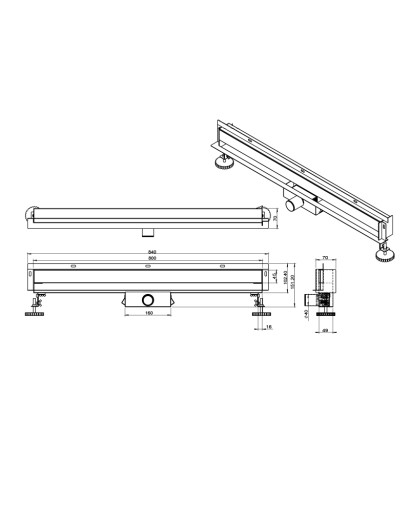
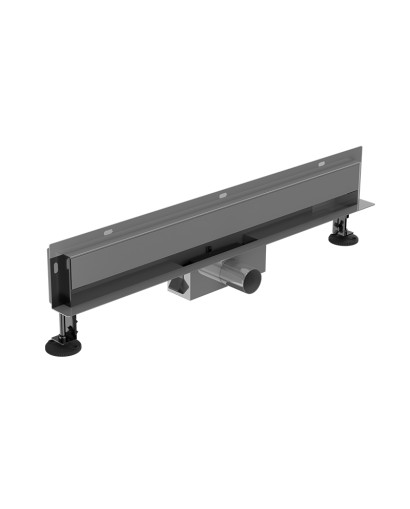
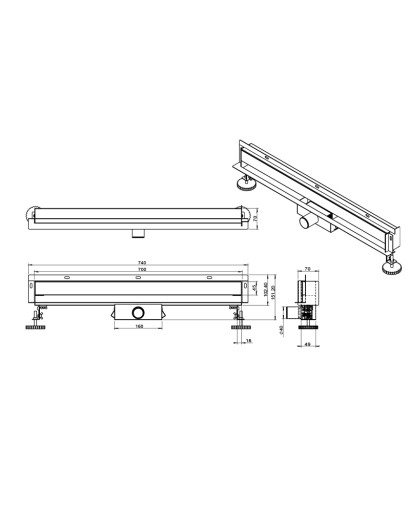
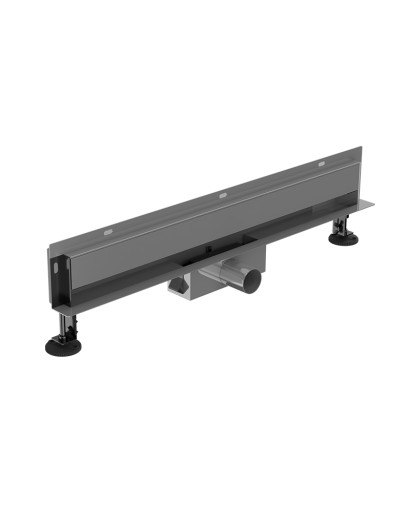
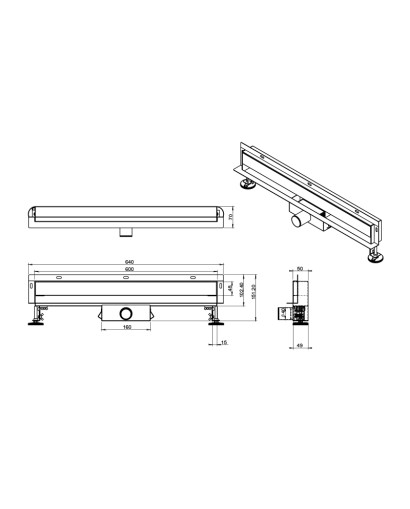
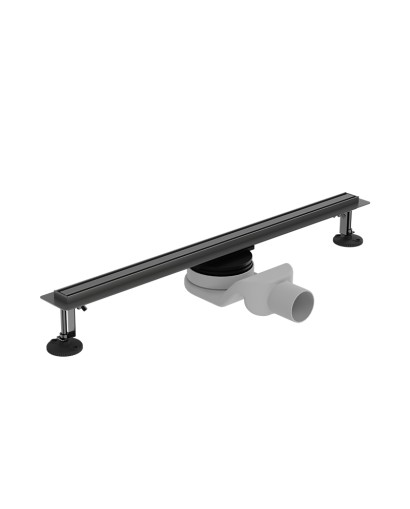
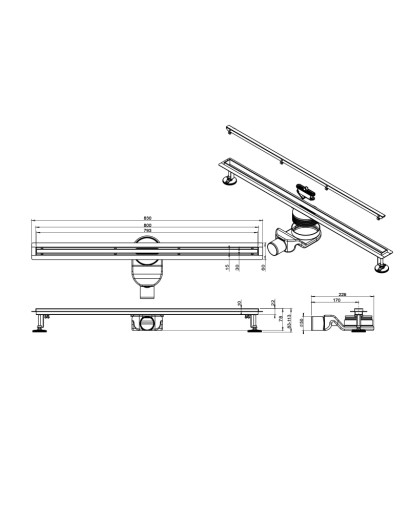
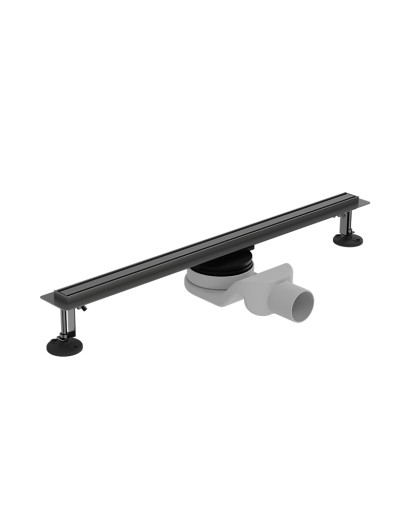
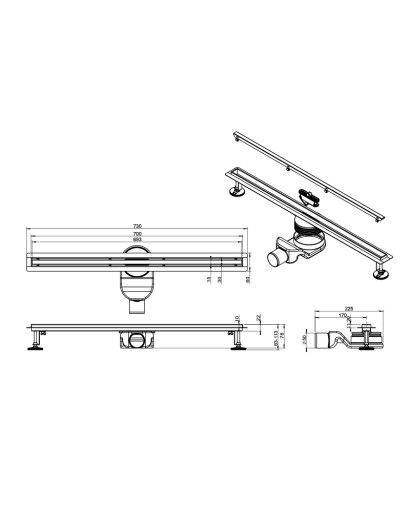
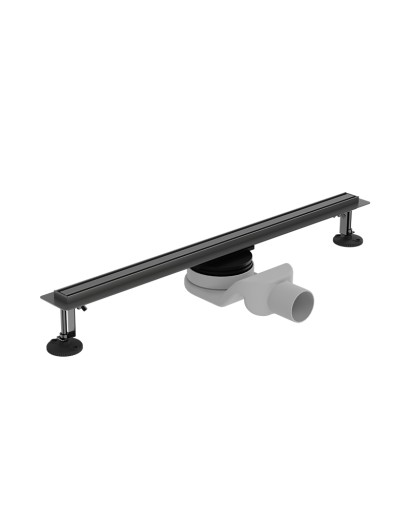

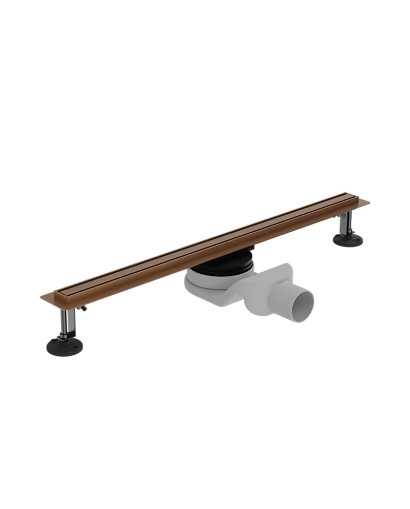
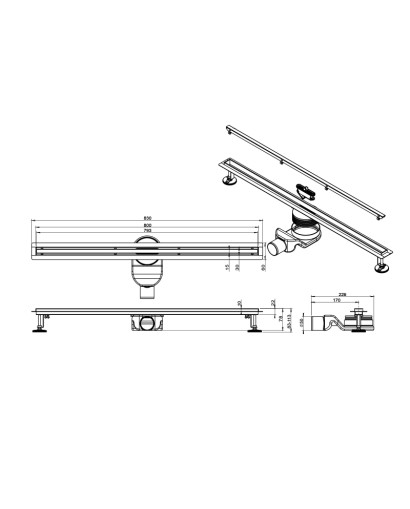
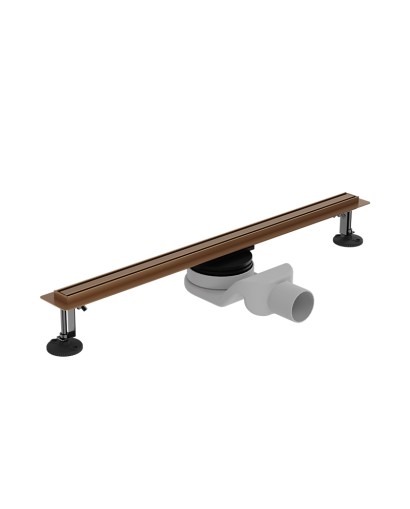
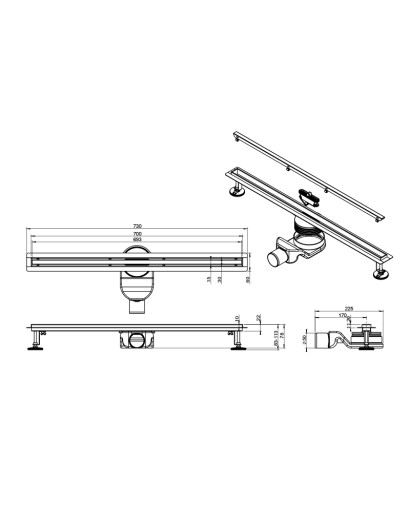
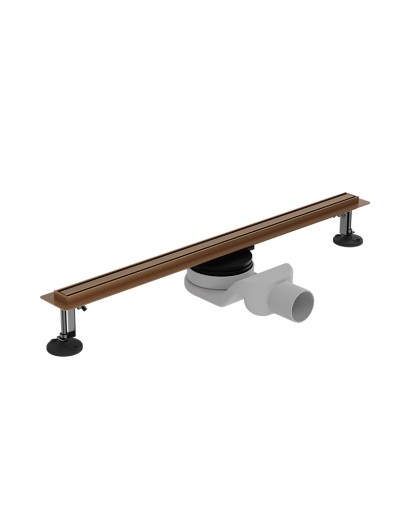
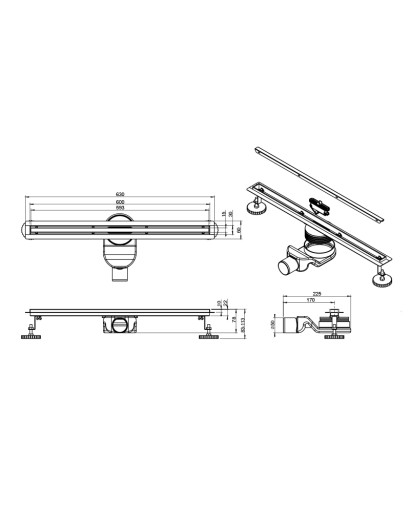
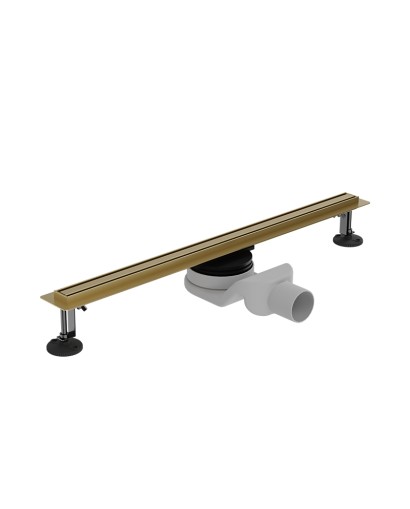
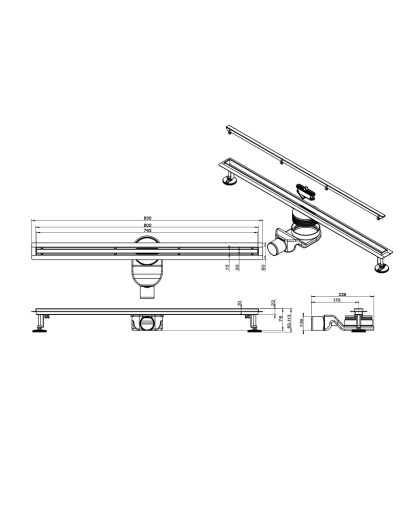
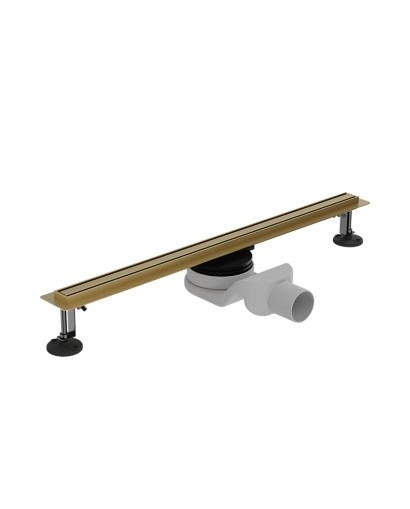
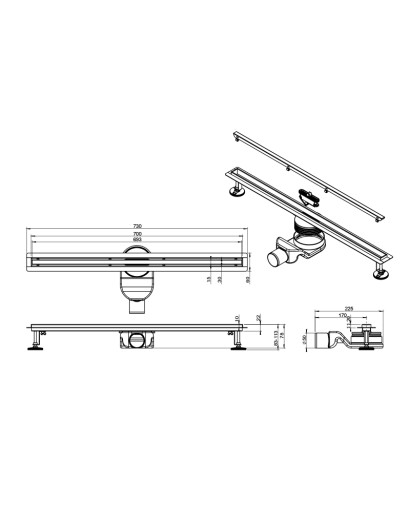
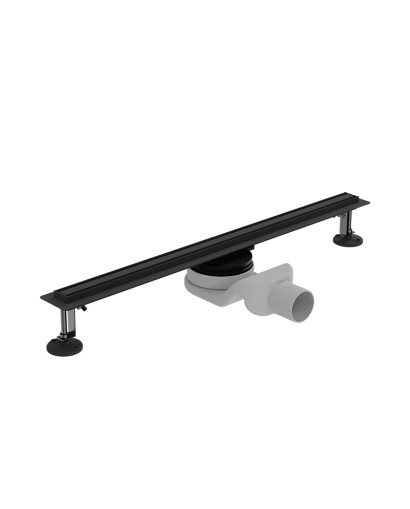
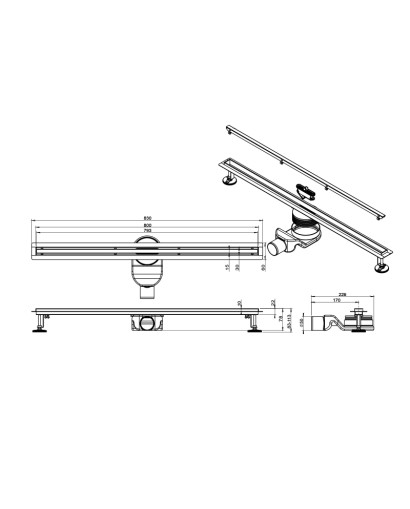
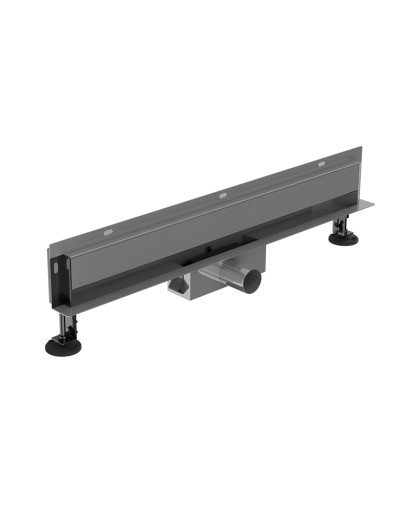
Linear drain
The linear shower drain is a modern solution used in bathrooms, particularly in showers. Instead of a traditional drain in the form of a single disc or grating, the linear drain is a longer, narrower element that runs along one of the shower walls. The linear drain is distinguished by its modern, minimalist look. Thanks to its subtle presence, it forms a less conspicuous element in the shower.
Which linear drain to buy?
Choosing the right linear drain depends on several factors, such as the style of the bathroom, the finishing materials, the type of floor, your budget and your personal preferences.
-
Size: choose the size of the linear drain according to the amount of water the shower will generate. Various lengths and widths are available, so match this to your needs.
-
Flow capacity: check the capacity of the linear drain, that is, the amount of water it is able to carry away effectively. It is important to choose a model that will cope with the volume of water generated by the shower.
-
Floor build-up: make sure that the linear drain you choose suits the build-up height of the shower floor. Some models may require special adjustment during installation.
-
Design and appearance: choose a linear drain that suits the style of the bathroom. Depending on the overall decor, this may be a minimalist, modern, classic or decorative model.
-
Price: linear drains can vary in price depending on the brand, the material and the features. Set your budget and look for models that fall within it.
-
Additional features: some linear drains have extra features, such as a removable strainer that makes cleaning easier, or systems that prevent odours.
-
Installation: make sure the linear drain you choose is compatible with the planned shower floor design and easy to fit.
How to install a linear drain?
Installing a linear drain in the shower can be a little more complicated than fitting a traditional point drain, because of the specific construction. Bear in mind that the exact installation of a linear drain may differ depending on the particular model and brand. It is therefore always worth reading the manufacturer's instructions supplied with the set.
-
Preparing the substrate: make sure that the substrate on which you intend to install the linear drain is properly prepared and level. You must be certain that the fall of the floor runs towards the drain, so that water can flow away freely.
-
Measuring and marking: take precise measurements of the place where the linear drain is to be installed. Mark on the floor the line where the edge of the drain will run.
-
Cutting the opening: following your markings, prepare the opening in the substrate in which the linear drain will sit. This may require the use of a chisel or a drill with a masonry bit.
-
Adhesive mortar: apply a layer of adhesive mortar or cement-and-sand mortar to the bottom of the opening. Make sure the layer is spread evenly and levelled.
-
Fitting the drain body: place the drain body in the opening, making sure it sits evenly and securely. If necessary, use rubber mallets or wooden wedges to level it.
-
Connecting the trap: fit the trap supplied with the linear drain set in accordance with the manufacturer's instructions. Make sure the trap is correctly connected to the waste pipe.
-
Checking for leaks: carry out a leak test by running water into the shower and observing whether it flows away freely through the linear drain.
-
Completing the finish: once you are sure that the linear drain is working correctly, you can complete the finishing of the shower.
-
Adhesive mortar on the frame: apply a layer of adhesive mortar or tile adhesive to the upper edge of the frame. This will help to maintain a level and stable surface for the tiles.
-
Laying the tiles: begin laying the tiles from the upper edge of the drain frame. Use a suitable tile adhesive and take care to lay them accurately and evenly.
-
Grouting: once the tiles are laid, move on to grouting the spaces between them. Choose a grout that matches the colour of the tiles and carry out the grouting carefully.
-
Sealing: use the drain cleaning and sealing set to clean and seal the space between the tiles and the drain frame thoroughly.